
 xrguo@xinhaimining.net
 +8618733132385
 +8618733132385



Analysis of Beneficiation Processes for Alluvial Gold Deposits
2026-10-31 Xinhai (10)

2026-10-31 Xinhai (10)
If you have any questions, please contact us through the following ways, we will give you more and better assistance!

Alluvial gold deposits are diverse in type and widely distributed geographically. In these deposits, gold exists in a free state, and because there is a significant density difference between the gold particles and the surrounding sand and gravel, gravity separation serves as an ideal and highly efficient core method for gold extraction.
A complete beneficiation process for alluvial gold typically consists of five key stages: washing, screening, gravity separation, refining (cleaning), and dewatering.
Washing is a pre-treatment step conducted before the actual beneficiation process. Its primary purpose is to separate gravel, sand, and clay; wash away fine mud adhering to the surface of the gravel; and liberate gold-bearing material trapped within larger rocks, thereby preparing the feed for subsequent separation. Common equipment used for this stage includes drum scrubbers, flat vibrating screens, and trommel screens.
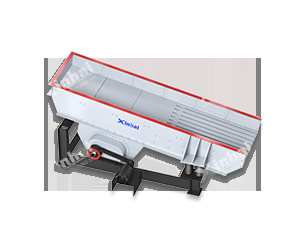
Following the washing stage, the material undergoes screening. The main function of screening is to remove large, valueless gravel and pebbles, discarding a significant amount of waste rock and impurities early on. This reduces the processing load on downstream equipment and enhances the overall efficiency of the gold recovery operation. Vibrating screens are the most frequently used equipment for this purpose in industrial production.
Gravity separation is the critical stage for recovering gold from alluvial deposits. Given the high density of gold particles and their relatively coarse size, separation can be achieved effectively by exploiting the density differences between the minerals. Gravity separation is characterized by its simple operation and low production costs. In practice, equipment such as jigs, shaking tables, and spiral chutes are commonly employed to remove the bulk of the gangue (waste rock), resulting in a gold-bearing rough concentrate.
The rough gold concentrate requires further upgrading through a refining or cleaning process. Depending on the specific characteristics of the alluvial gold ore, this may involve gravity separation, magnetic separation, flotation, or electrical separation—either used individually or combined into a multi-stage, integrated beneficiation process. This stage separates the gold from other associated heavy minerals, thereby further increasing the grade of the final gold concentrate. Dewatering Operations
Whether a dewatering stage is included depends on the mineral processing method selected for the final beneficiation phase. Gravity separation, magnetic separation, and flotation can all be conducted in a wet slurry environment, eliminating the need for rigorous dewatering; in contrast, electrostatic separation requires dry conditions to function effectively. For placer gold deposits, dewatering is typically achieved through a combination of thickening and filtration, ensuring the material meets the moisture content requirements for subsequent processing stages.


 Consult
 Message
 Email
