
 xrguo@xinhaimining.net
 +8618733132385
 +8618733132385


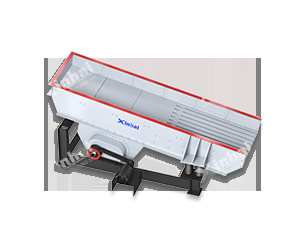

Iron Ore Beneficiation Process Flow
2026-10-29 Xinhai (15)

2026-10-29 Xinhai (15)
If you have any questions, please contact us through the following ways, we will give you more and better assistance!

Iron ore beneficiation aims to separate iron-bearing minerals from gangue, upgrade iron grade and reduce harmful impurities such as silica, sulfur and phosphorus, to produce qualified iron concentrate for blast furnace smelting or direct reduction. The whole process varies with ore types including magnetite, hematite, limonite and mixed iron ore, and generally follows a systematic route of crushing, grinding, separation, dewatering and concentrate handling.
The process starts with crushing and screening. Run-of-mine iron ore is delivered to the crushing station. Primary jaw crushing reduces large lumps, followed by secondary and tertiary cone crushing. Vibrating screens classify crushed materials; oversize particles return for re-crushing to form a closed-circuit crushing system. This step prepares uniform fine feed for grinding.
Next is grinding and classification. Crushed ore is fed into ball mills or rod mills for fine grinding, liberating iron minerals from gangue. Ground slurry flows into hydrocyclones for classification. Coarse particles are sent back to the mill for regrinding, while fine qualified slurry goes forward to separation. Closed-circuit grinding ensures proper fineness and avoids over-grinding.
Separation is the core section. For magnetite ore, low-intensity magnetic separation is the mainstream method. Magnetic drum separators capture magnetic iron minerals and discard non-magnetic gangue. Hematite and limonite, which are weakly magnetic, adopt high-intensity magnetic separation, gravity separation or flotation. Reverse flotation is widely used to remove silica impurities and further improve concentrate grade. Many plants use combined processes such as magnetic-gravity separation or magnetic-flotation separation to boost recovery.
After separation, iron concentrate slurry enters dewatering. Thickener first settles the slurry to increase concentration. Then filter press or vacuum filter removes water to get filter cake with low moisture. Tailings slurry is piped to tailings pond or dry stacking system for safe disposal.
Each section is interlocked and adjustable. Mineral processing test work is essential to select the optimal flowsheet. Customized EPC solutions help iron ore projects achieve stable concentrate index, lower energy consumption and realize green and efficient utilization of iron resources.


 Consult
 Message
 Email
